

MILKSUIT, Cooperation and Innovation for a More Competitive Dairy Sector
In the Basque Country, milk production has traditionally focused on intensive systems that prioritize quantity over quality. This model, based on the common use of silage, creates technological problems in cheesemaking: the presence of butyric spores, spoilage bacteria, and risks such as Listeria monocytogenes. All this compromises food safety and the profitability of cheesemaking operations.
MILKSUIT aims to reverse this situation by introducing changes in animal feeding and management, promoting silage-free diets and Good Hygiene Practices (GHP), to obtain milk with the appropriate physicochemical and microbiological characteristics for transformation into value-added products such as cheese. This project is part of the Call for innovation support through cooperation in the agri-food and wood value chains of the Basque Autonomous Community (Line 2: Cooperation Groups). Its goal is to address a real need in the dairy sector: improving the technological and microbiological quality of milk to produce safe and differentiated cheeses.
Working Group
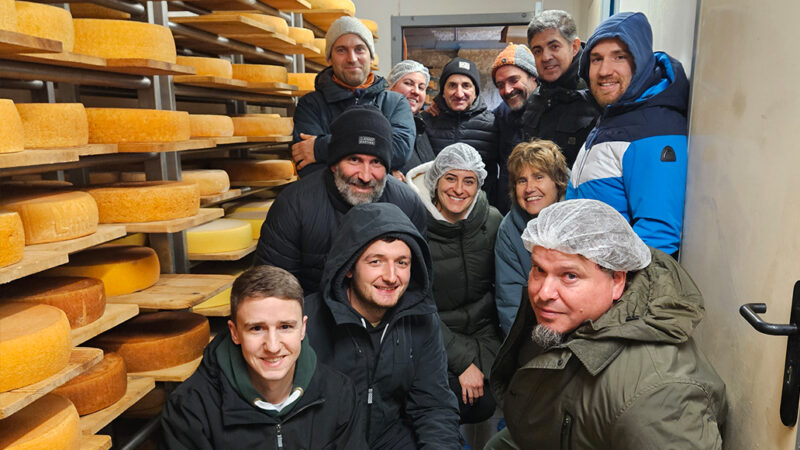
The project has been developed in cooperation between four Basque dairy farms (Urruela S.C., Ondazarte Gain S.L., Beñat Telleria, and Aitor Zapirain) and two technology centres (LEARTIKER S.COOP. – leader and facilitator – and NEIKER – specialist in nutrition and animal welfare). This alliance has ensured a multidisciplinary approach, combining scientific knowledge, practical experience, and a commitment to sustainability.
Objectives
- Optimize cattle feeding to improve milk’s cheesemaking suitability.
- Reduce microbiological and technological risks through GHP.
- Produce value-added cow cheeses to diversify the offer and increase sector competitiveness.
- Contribute to the economic, social, and environmental sustainability of farms.
Work Carried Out
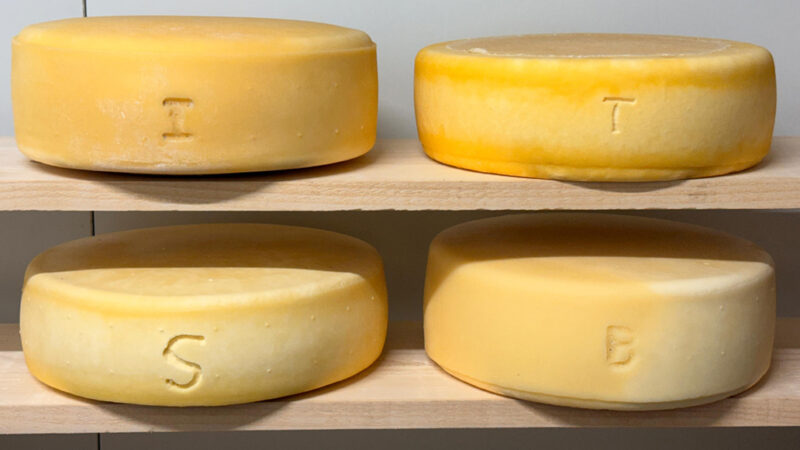
In the first phase, a detailed diagnosis of management practices and milk quality in participating farms was conducted. Subsequently, improvements in diet and milking routines were proposed and implemented, accompanied by specific training. At the same time, physicochemical and microbiological analyses were carried out to monitor the evolution of milk quality and its technological suitability, as well as prototypes of hard cheeses.
Trip to Switzerland: Learning In Situ
One of the project’s milestones was a technical visit to the Swiss Alps, a global benchmark in high-quality cow cheese production. There, the team observed farms applying advanced management and feeding practices based on the non-use of silage, ensuring optimal milk for cured cheeses such as Alpine varieties.
In addition, the importance of hay dryers in barns was highlighted—a traditional and widespread solution in this region to guarantee quality forage throughout the year. These dryers work with ventilation systems that quickly dehydrate freshly cut grass, preventing undesirable fermentations and preserving its nutritional value. Thanks to this, cows are fed with dry hay and natural pastures, reducing the presence of butyric spores and improving milk’s cheesemaking aptitude.
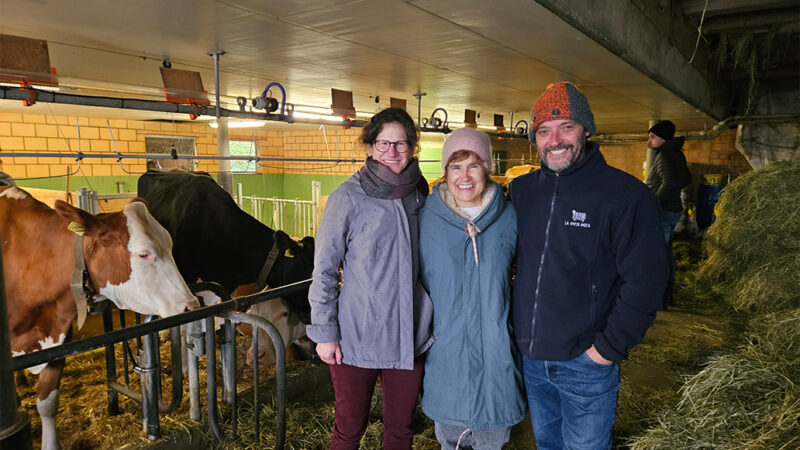
Pasture, as the main source of feed, is carefully managed: staggered cuts, rapid drying, and optimal storage to maintain fiber and nutrients. This practice, together with the absence of silage, is key to obtaining clean and stable milk, ideal for making cured, cooked-paste cheeses—emblematic products of Alpine tradition.
In addition to visiting dairy farms, several visits were made to different cheese dairies to observe the practical process of cheesemaking, as well as their aging techniques. Finally, the MILKSUIT project team learned about the key role of Agroscope, Switzerland’s leading center for agri-food research and dairy technology. Beyond leading studies on milk quality and processing methods, Agroscope is a pioneer in developing starter and protective dairy cultures, essential for ensuring safe and stable fermentations in cheese production. These cultures, such as the renowned Liebefeld strains, help maintain the sensory identity of Swiss cheeses and prevent technological defects, guaranteeing high-quality products and reducing economic losses in the sector.
Expected Impact
MILKSUIT not only seeks to improve the quality of milk and cheeses but also to strengthen the competitiveness of the Basque dairy sector, reduce food waste, and promote more sustainable production systems. This opens the door to new market opportunities and consolidates an innovative agri-food model closely linked to the territory.
The MILKSUIT project is funded through the EAFRD fund: