


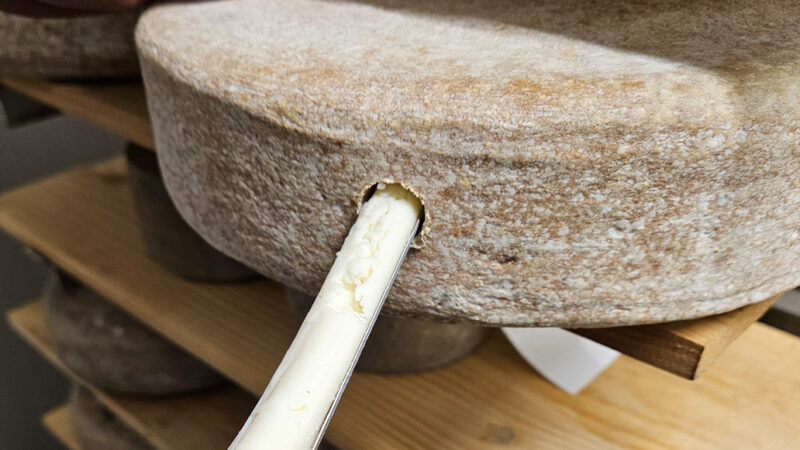
Sensory analysis as a technological criterion for product and process control
Sensory Analysis of Cheese: A Key Tool in Our Work
In our day-to-day work developing innovative cheeses, we typically focus on physicochemical and microbiological parameters, as well as technological processing parameters. But there is another aspect that is just as important for understanding how a cheese evolves: sensory analysis.
Sensory analysis is a highly versatile tool that allows us to evaluate different aspects of a food product, ranging from tests focused on consumer acceptance to descriptive analyses of specific attributes. Within this spectrum, we primarily use it in our work as a technological tool: it helps us interpret how formulation and processing decisions are reflected in the cheese’s final characteristics.
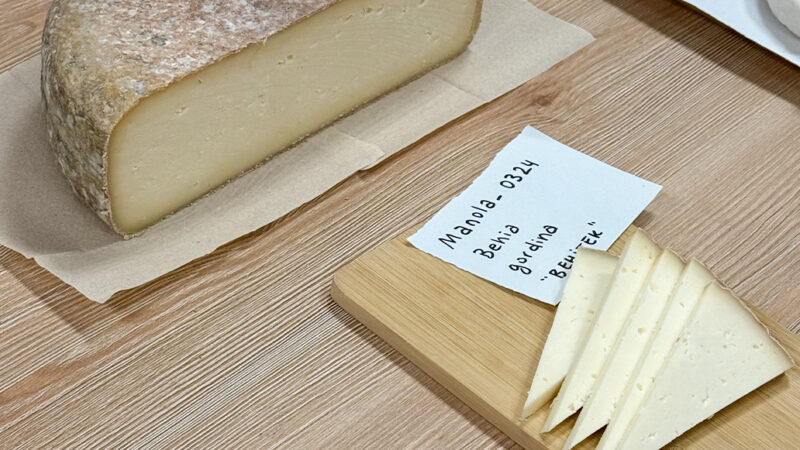
How do we use sensory analysis?
Sensory analysis involves our senses—sight, touch, smell, and taste—which allow us to describe attributes such as the cheese’s appearance, aroma, texture, and flavor. To do this, we follow a defined methodology tailored to each project, which enables us to compare different batches and analyze how they evolve over time.
During our tastings, we usually pay attention to elements such as:
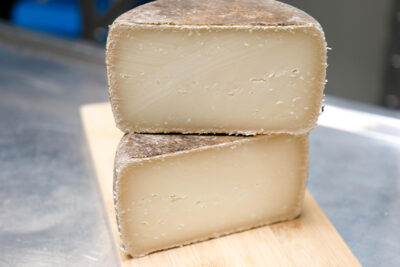
- External appearance: Uniformity of the piece, rind color, mold growth, spots, surface texture, or the presence of cracks.
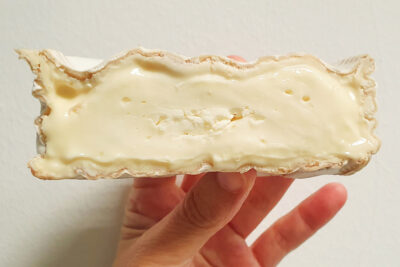
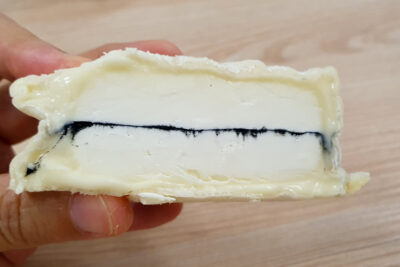
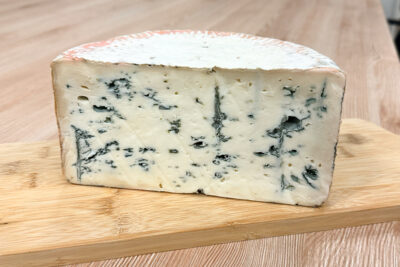
- Internal appearance: Appearance of the cut, distribution of holes, openings or cracks, whether the paste is blind or not, or the distribution of internal mold (for example, in blue cheeses).
- Aroma: Intensity and aromatic profile: lactic, fruity, animal, ammoniacal, or vegetal notes.
- Mouthfeel: Sensations upon biting and chewing: creaminess, elasticity, graininess, moisture, or dryness.
- Flavor: Overall assessment, level of bitterness, saltiness, acidity, identification of off-flavors, intensity, and characteristics specific to each type of cheese.
Sensory information complements the data we obtain through physicochemical and microbiological analyses. Each type of analysis provides a different perspective on the cheese’s behavior, and by combining them, we gain a much more comprehensive understanding of its development.
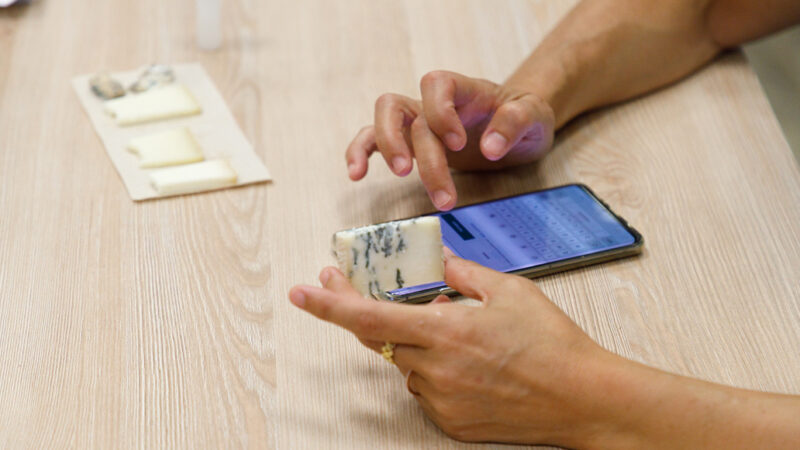
Why is this important to us?
Sensory analysis helps us understand how the decisions we make during production translate into the final product. It is a way of interpreting cheese from the inside: how it evolves, how the process responds, and what signals it gives us throughout the ripening process.
As a result, we can:
- Monitor the progress of the ripening process, understanding when certain characteristics emerge and how they change. For example, in blue cheeses, track how the bitter note gradually diminishes throughout the ripening process as a result of lipolysis and proteolysis.
- Assess the impact of variables such as cultures, fermentation times, temperatures, and curd size, and how they affect texture, aroma, and flavor. For example, in pressed cheeses, detect crumbly textures caused by overly rapid acidification; or in soft cheeses, identify dry textures resulting from insufficient curd working.
- Anticipate potential deviations before they become defects, and verify that the cheese is developing in line with the desired profile.
Sensory analysis is one of the cornerstones of our development projects. It helps us ensure that the technological innovations we implement are truly reflected in the cheese, and it enables us to make informed decisions at every stage of the process.
How do we approach sensory analysis throughout the year?
Throughout the year, we conduct various sensory analysis sessions tailored to each stage of development. On the one hand, we hold more frequent and practical tastings, during which we sample the cheeses to closely monitor their evolution as they mature. These observations allow us to track how each batch is progressing, anticipate potential deviations, and continuously monitor the cheese’s condition at all times.
In addition, we periodically organize more comprehensive sessions in which the entire team participates. During these tastings, we analyze each cheese in greater detail and assess whether it is evolving in the direction we intended for the project. These sessions help us compare perceptions, unify criteria, and make more informed decisions regarding product development.
Thanks to this combination of continuous work and joint evaluations, sensory analysis becomes a fundamental element in our development projects. It provides key information that allows us to refine recipes, validate technological decisions, and ensure that the innovations we implement are truly reflected in the final character of the cheeses.
In short, sensory analysis is a tool that is integral to our way of working and innovating, accompanying us through every phase of each cheese’s development.